

Manual Crank for Slide Out: A Comprehensive Guide
This guide delves into the essential aspects of manual slide-out cranks, offering RV owners a detailed resource for understanding, operating, and maintaining these vital components.
We’ll explore the functionality, benefits, installation, troubleshooting, and cost considerations associated with manual crank systems, ensuring your RV adventures remain smooth and worry-free.
From basic operation to identifying potential issues, this comprehensive overview equips you with the knowledge to confidently manage your slide-outs, even without electrical power.
What is a Manual Crank for a Slide Out?
A manual crank for an RV slide-out is a mechanical device designed to operate the slide-out room when the powered system is unavailable. Essentially, it’s a backup system providing a way to retract or extend the slide-out without relying on electricity or hydraulic power.
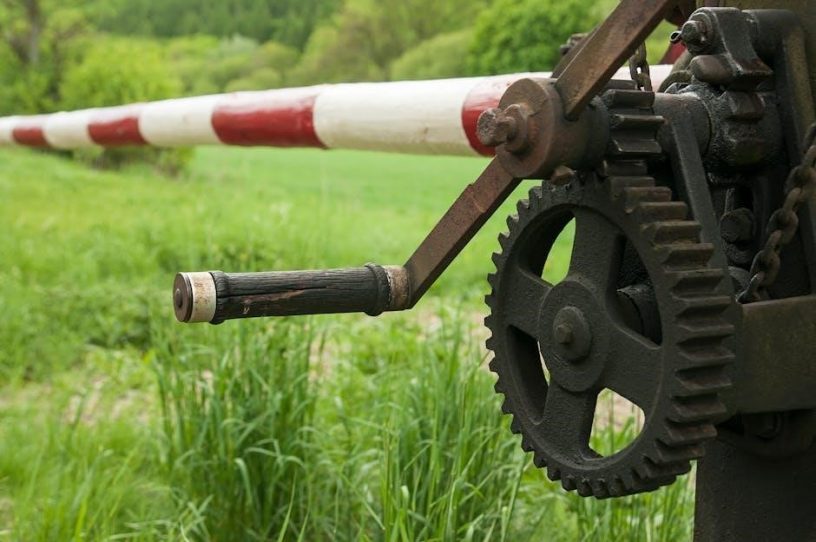
This typically consists of a handle that engages with a gearbox, which in turn drives the slide-out mechanism. It’s a crucial component for RV owners, offering a reliable solution during power outages or when the electric motor fails. The crank allows for controlled movement of the slide, ensuring safe operation.
These cranks are often used as a primary method for smaller, lighter slide-outs, or as a secondary system for larger ones. They provide a direct, physical connection to the slide-out’s movement, giving the user complete control over the process.
Why Use a Manual Crank?
The primary reason to utilize a manual crank is as a dependable backup when your RV’s powered slide-out system malfunctions; Power outages, blown fuses, or a failed electric motor can leave you stranded with a slide-out stuck in an inconvenient position.
A manual crank bypasses these electrical issues, allowing you to manually operate the slide-out. This is particularly vital for setting up or breaking camp when access to shore power is unavailable. Furthermore, manual operation provides a level of control and assurance that electronic systems sometimes lack.
It also prevents being dependent on potentially costly and time-consuming repairs while on the road. Having a functional manual crank offers peace of mind, knowing you can always regain control of your RV’s living space.
Benefits of Having a Manual Crank System
A manual crank system offers several key advantages for RV owners. Beyond its role as a crucial backup, it provides a cost-effective solution for occasional slide-out adjustments or minor repositioning. It eliminates reliance on battery power, conserving energy for other RV systems.
The simplicity of a manual crank means fewer components that can fail, increasing overall reliability. It’s also a valuable tool for performing maintenance on the slide-out mechanism, allowing for controlled movement during inspections and lubrication.
Moreover, a manual crank empowers self-sufficiency, reducing the need for immediate professional assistance in case of a power-related slide-out issue. This translates to saved time and money, enhancing the overall RV ownership experience.
Understanding Slide Out Systems
RV slide-out systems fundamentally expand living space, but operate through diverse mechanisms. Hydraulic systems utilize pressurized fluid to extend and retract rooms, offering substantial power for larger slides. Electric systems employ motors and gears, providing quieter operation and precise control, though they are dependent on a functioning electrical system.
Manual systems, often incorporating a crank, rely entirely on physical force, offering a reliable, albeit more labor-intensive, alternative. Understanding your specific system is crucial for proper maintenance and troubleshooting.
Regardless of the type, all slide-out systems require regular inspection and lubrication to ensure smooth operation and prevent costly repairs. Knowing the components and how they interact is key to effective RV ownership.
Hydraulic Slide Out Systems
Hydraulic slide-out systems are renowned for their power, effectively moving heavier slide rooms. These systems utilize a pump, hoses, and cylinders filled with hydraulic fluid to generate the force needed for extension and retraction. While robust, they can be susceptible to leaks and require regular maintenance of seals and fluid levels.
In the event of a power failure, a manual crank can sometimes be adapted to operate a hydraulic system, though this often requires specialized knowledge and may not be universally applicable. Understanding the hydraulic components is vital for safe and effective operation.
Properly maintained hydraulic systems offer reliable performance, but neglecting maintenance can lead to significant repair costs;
Electric Slide Out Systems
Electric slide-out systems are the most common type found in modern RVs, utilizing an electric motor to drive the slide mechanism. These systems offer convenience and ease of operation, often controlled by a simple switch. However, they are reliant on a functioning electrical system and can be vulnerable to motor failure or wiring issues.
A manual crank serves as a crucial backup for electric slide-outs, allowing operation during power outages or motor malfunctions. The crank bypasses the electric motor, providing a direct mechanical means of extending or retracting the slide room.
Regularly testing the manual crank functionality ensures preparedness for unexpected electrical failures, safeguarding your RV experience.
Manual Slide Out Systems
Manual slide-out systems, while less prevalent in newer RVs, rely entirely on physical effort to operate. These systems directly utilize a manual crank mechanism, requiring the user to turn the crank to extend or retract the slide room. They offer a simple, reliable solution, free from electrical dependencies, but demand more physical exertion.
For RVs equipped with a manual system, the crank is the primary method of operation, and maintaining its functionality is paramount. Ensuring the crank handle is secure and the gears are properly lubricated is essential for smooth operation.
Even with a manual system, having a spare crank handle is a wise precaution, preventing disruptions to your travels.

Manual Crank Components & Types

Essential components include the crank handle, gearbox, and mounting hardware; variations exist in handle design and gearbox ratios, impacting ease of use and force required.
Crank Handle Options
RV slide-out crank handles come in several designs, each offering different advantages for the user. The most common type is the standard T-handle, known for its comfortable grip and leverage. These handles typically require no assembly and are readily available for purchase, often costing around $44.95 for a basic model.
Other options include folding crank handles, which are ideal for storage in tight spaces, and extended-reach handles, providing greater access to hard-to-reach mechanisms. Lippert, a leading RV component manufacturer, offers a dedicated slide-out crank handle designed for easy manual control during power outages.
Material choices range from durable plastic to robust metal, influencing the handle’s longevity and resistance to wear and tear. Selecting the right crank handle depends on personal preference, storage constraints, and the specific requirements of your RV’s slide-out system.
Gearbox Mechanisms
The gearbox is a critical component within a manual slide-out system, translating the rotational force from the crank handle into the linear motion needed to extend or retract the slide. These mechanisms utilize a series of gears to reduce the effort required from the user, making operation more manageable.
Gear ratios vary depending on the slide-out’s weight and size; higher ratios provide greater mechanical advantage. Specialized gears can be part of a complete system costing up to $100; Regular inspection and lubrication of the gearbox are essential for smooth operation and preventing wear.
Damage or failure within the gearbox often necessitates professional repair or replacement, contributing significantly to overall RV slide-out repair costs. Understanding the gearbox’s function is key to effective maintenance and troubleshooting.
Universal vs. Specific Cranks
Choosing between a universal and a specific crank handle for your RV slide-out depends on compatibility and convenience. Universal cranks are designed to fit a wider range of slide-out mechanisms, offering a cost-effective solution, often priced around $44.95. However, they may require adapters or modifications for optimal fit.
Specific cranks, conversely, are manufactured to precisely match the original equipment of a particular RV model or slide-out system, ensuring seamless integration and reliable operation. Lippert slide-out crank handles are a popular example of specific designs.
While generally more expensive, specific cranks eliminate guesswork and potential compatibility issues, providing a more secure and efficient solution for manual slide-out control.

Installation & Operation
Proper installation and operation are crucial for safe and effective use of your manual crank system, ensuring smooth slide-out movement and preventing damage.
Locating the Crank Mechanism
Identifying the crank mechanism’s location is the first step in utilizing your manual slide-out system. Typically, you’ll find it housed within an access panel, often externally mounted near the slide-out itself, though internal locations are also common.
These access panels are usually rectangular or square and may be labeled, but sometimes require a bit of searching. Consult your RV’s owner’s manual for precise location details, as manufacturers vary in placement.
Once located, the mechanism will reveal a gearbox and the crank receiver. The receiver is where the crank handle inserts to engage the gears and operate the slide-out. Familiarize yourself with this location before needing it in an emergency!
Proper Crank Operation Techniques
Operating a manual crank requires a smooth, controlled motion. Insert the crank handle firmly into the receiver and ensure it’s securely seated before applying force. Begin cranking slowly and steadily, observing the slide-out’s movement.
Avoid jerky or rapid cranking, as this can strain the mechanism and potentially cause damage. If you encounter significant resistance, stop immediately and inspect for obstructions or misalignment.
Crank in short, consistent bursts, pausing to assess the slide-out’s progress. Remember to fully extend or retract the slide-out before disengaging the crank. Proper technique ensures safe and efficient operation, preventing unnecessary wear and tear.
Safety Precautions When Using a Manual Crank
Prioritize safety when operating a manual slide-out crank. Always ensure the RV is parked on a level surface and properly stabilized with leveling jacks before attempting to move the slide-out. Keep hands, feet, and clothing clear of the slide-out’s path during operation.
Never allow anyone to stand or walk near the slide-out while it’s in motion. Inspect the area around the slide-out for obstacles that could impede its movement.
Avoid cranking in windy conditions, as gusts can make controlling the slide-out more difficult. If resistance is felt, stop immediately and investigate; do not force the mechanism. Regularly inspect the crank and mechanism for wear or damage.

Cost Considerations
Budgeting for manual crank systems involves parts ranging from $40 to $100, while RV slide-out repairs can vary widely, from $150 to $5,000.
Price Range for Manual Crank Parts
When considering manual crank components for your RV slide-out, understanding the price range is crucial for effective budgeting. Generally, these parts are quite accessible, offering a cost-effective solution for slide-out operation and repair. A basic crank handle, the primary interface for manual operation, typically starts around $44.95, providing a straightforward and reliable control method.

However, more specialized components, such as gears designed for specific slide-out mechanisms or complete manual crank systems, can reach up to $100. This price variation reflects the complexity and precision engineering involved in these parts. These prices demonstrate that manual crank systems present an affordable option for RV owners seeking dependable solutions, particularly as backups or for long-term reliability.
RV Slide Out Repair Costs (General)
The financial implications of RV slide-out repairs can vary dramatically, spanning from minor, do-it-yourself fixes to substantial, professional-level system replacements. A simple repair, like resealing a slide-out or making minor adjustments to the mechanism, might only cost a few hundred dollars. However, more complex issues can quickly escalate expenses.
Generally, the total RV slide-out repair cost can range from a modest $150 for a DIY solution to exceeding $5,000 for a complete system overhaul. This wide range depends heavily on the nature of the problem, the type of slide-out installed in your RV, and whether you choose to tackle the repair yourself or hire a qualified RV technician. Accurate cost assessment is vital for planning and budgeting.
Cost to Replace a Slide Out Motor
Replacing an RV slide-out motor is often a relatively straightforward repair, generally costing under $300 for the motor itself. Labor typically adds around an hour of a technician’s time to the expense. However, these costs can increase depending on the size and complexity of your slide-out system, as well as any secondary issues discovered during the repair process.

It’s crucial to factor in potential additional expenses, such as diagnosing the root cause of the motor failure, addressing any related damage, and ensuring proper alignment. Calculating the total cost involves considering the motor price, labor fees, and any necessary supplementary parts or services. Understanding these factors helps RV owners budget effectively for this common repair.

Maintenance & Troubleshooting
Regular inspection and lubrication of your manual crank system are vital for smooth operation. Address common issues promptly, and don’t hesitate to seek professional assistance.
Regular Inspection & Lubrication
Consistent maintenance significantly extends the lifespan and reliability of your manual slide-out crank system. Implement a routine inspection schedule, ideally before each trip and at least twice a year during storage. Visually examine the crank handle, gearbox, and all connecting linkages for signs of wear, corrosion, or damage.

Pay close attention to the gearbox, as this is a critical component prone to wear. Lubricate all moving parts with a suitable RV-grade grease or lubricant, ensuring thorough coverage. This reduces friction, prevents corrosion, and ensures smooth operation.
Check for any loose bolts or fasteners and tighten them as needed. A well-maintained system operates effortlessly and minimizes the risk of unexpected failures during your travels, providing peace of mind and preventing costly repairs.
Common Issues & Solutions
Several issues can arise with manual slide-out cranks, but many are easily addressed. A common problem is a stiff or difficult-to-turn crank, often caused by lack of lubrication or corrosion. Applying RV-grade grease to the gearbox and linkages usually resolves this. Another issue is a stripped gear, requiring replacement of the affected component.
If the slide-out doesn’t move smoothly, inspect for obstructions or misalignment. Ensure the slide-out room is clear of debris and that the mechanism isn’t binding. A bent or damaged crank handle can also hinder operation and needs replacement.
Always prioritize safety; if you’re unable to resolve the issue, consult a qualified RV technician to prevent further damage or potential hazards during operation.
When to Seek Professional Help
While many manual slide-out crank issues are DIY-friendly, certain situations demand professional intervention. If you encounter significant resistance while cranking, suspecting a major mechanical failure, stop immediately and consult a technician. Similarly, any visible damage to the gearbox, slide-out frame, or mounting hardware warrants expert inspection.
Don’t attempt repairs if you lack the necessary tools, experience, or understanding of the slide-out system. Electrical issues related to the slide-out mechanism, even with a manual crank, require a qualified RV electrician.
Ignoring warning signs or attempting complex repairs yourself could lead to costly damage and compromise the safety of your RV and its occupants. Prioritize professional assistance for peace of mind.

Replacement Options & Where to Buy
Finding replacement cranks is straightforward; options include Lippert parts, RV dealerships, and online retailers specializing in RV components and accessories.
Lippert Slide Out Crank Handle
Lippert components are a widely recognized and trusted brand within the RV industry, and their slide-out crank handles are no exception. These handles are specifically designed for manual operation of Lippert slide-out systems, offering a reliable solution when power isn’t available.
Notably, the Lippert slide-out crank handle is lauded for its ease of use, requiring no assembly upon purchase – a convenient feature for quick installation or emergency situations. The T-connection end ensures a secure and comfortable grip during operation, facilitating smooth and controlled slide-out movement.
These handles are built to withstand the demands of RV travel, providing a durable and dependable manual override option. They are readily available through various online retailers and RV parts suppliers, making them accessible to a broad range of RV owners seeking a quality replacement or backup solution.
Replacement Manual Crank Handle Sources
Finding a replacement manual crank handle for your RV slide-out is often straightforward, with numerous sources catering to RV owners. Online marketplaces like Amazon and eBay frequently stock a variety of handles, offering competitive pricing and convenient shipping options. Specialized RV parts retailers, both online and brick-and-mortar stores, provide expert advice and a wider selection of brands and styles.
Retailers such as etrailer.com and other RV-specific websites are excellent resources, often carrying handles designed for specific slide-out mechanisms. Local RV dealerships also typically stock replacement parts or can order them on your behalf.
When purchasing, ensure the handle is compatible with your slide-out system to guarantee proper fit and function. Consider reading customer reviews to assess the quality and durability of different options before making a final decision.
Slide-Out Motor Replacement Costs
While a manual crank system offers a bypass for motor failures, understanding slide-out motor replacement costs is crucial for budgeting potential repairs. Generally, replacing an RV slide-out motor can cost under $300 for the part itself, but this varies significantly based on the slide-out’s size and complexity. Labor costs typically add around an hour of work, potentially increasing the total expense.
However, larger slide-outs or the discovery of secondary issues during the repair can escalate costs. Comprehensive RV slide-out repair estimates, encompassing motors, seals, alignment, and water damage, are advisable.
Factors like the RV’s make and model, and the technician’s hourly rate, also influence the final price. Proactive maintenance can help prevent motor failures and associated expenses.
Leave a Reply
You must be logged in to post a comment.