



The Ninja Food Processor streamlines kitchen tasks, offering speed and versatility—a modern essential for efficient food preparation, as evidenced by its growing popularity․
What is a Ninja Food Processor?
A Ninja Food Processor is a versatile kitchen appliance designed to significantly reduce food preparation time․ Unlike traditional methods, it efficiently chops, slices, shreds, and purees ingredients with speed and precision․ Part of the broader Ninja Kitchen System, models like the Ninja 1100 blender demonstrate the brand’s commitment to innovation․
These processors handle tasks from vegetable chopping to dough making and smoothie creation, offering a multi-functional solution for home cooks․ They often include various attachments, such as different blades and pitchers, expanding their capabilities beyond basic processing․ The initial household food processors debuted in 1971, and Ninja builds upon this legacy with modern technology and design․
Brief History of Ninja Kitchen
Ninja Kitchen originated from Euro-Pro Cleaning LLC, a company known for its innovative household appliances․ Initially focused on floor care solutions, Euro-Pro expanded its product line to include blenders and food processors, recognizing a demand for efficient kitchen tools․ The Ninja brand quickly gained recognition for its powerful motors and versatile functionality․
The company’s success stems from a commitment to blending performance with affordability․ They’ve consistently introduced new models and features, responding to evolving consumer needs․ From the early Ninja Master Prep Professional to the current generation of processors, the brand has established itself as a leader in the kitchen appliance market, offering solutions for diverse culinary tasks․
Components and Parts
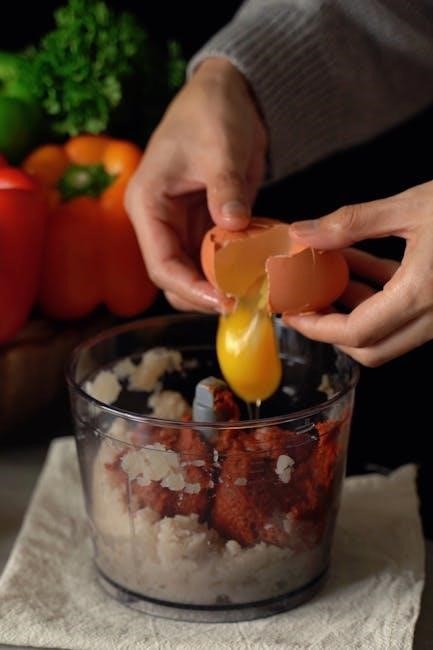
Ninja Food Processors feature pitchers, lids, and specialized blades for chopping, dough making, and slicing/shredding—essential elements for versatile food preparation․
Processing Pitcher and Lids
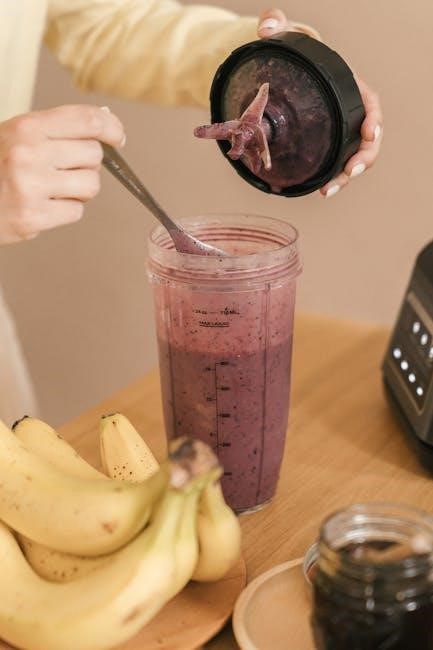
The Ninja Food Processor’s processing pitcher is the workhorse of the system, designed for chopping, mixing, and pureeing ingredients with efficiency․ Typically made from durable, BPA-free plastic, it boasts a generous capacity – often 48oz or larger – to accommodate substantial quantities of food․
Lids are crucial for safe operation and come in various forms․ A standard lid seals the pitcher during processing, preventing splatters and ensuring ingredients stay contained․ Some models include a pour spout for easy liquid dispensing․ Additionally, a dough lid, often featuring a smaller opening, is specifically designed for kneading dough without over-processing or creating a mess․ Proper lid placement is vital for optimal performance and safety, as the processor won’t operate if not securely locked into place․
Blender Pitcher and Functionality
Many Ninja Food Processor systems include a separate blender pitcher, expanding the appliance’s capabilities beyond basic food processing․ Usually taller and narrower than the processing pitcher, the blender pitcher is optimized for liquids and creating smooth consistencies․ Its capacity often ranges from 64oz to 72oz, ideal for large batches of smoothies, frozen drinks, or sauces․
The blender functionality excels at crushing ice, blending frozen fruits, and emulsifying liquids․ Specialized blades within the blender pitcher are designed for this purpose, differing from the chopping or dough blades․ Some models feature pre-programmed settings specifically for smoothies or frozen drinks, simplifying operation and ensuring consistent results․ Always ensure the blender lid is securely fastened before operation to prevent spills․
Chopping Blades
The chopping blades are arguably the most frequently used component of a Ninja Food Processor, designed for quick and efficient ingredient preparation․ These blades, typically made of stainless steel, feature a sharp, multi-directional design to ensure even chopping of vegetables, fruits, nuts, and even meats․ They excel at tasks like dicing onions, mincing garlic, or creating salsas․
When using the chopping blades, it’s crucial to cut larger items into smaller, manageable pieces before processing․ This prevents overloading the motor and ensures consistent results․ Pulse functionality is highly recommended for controlled chopping, allowing you to achieve the desired texture without over-processing․ Always handle the blades with extreme caution, as they are incredibly sharp․
Dough Blades
The dough blades, distinct from the chopping blades, are specifically engineered for mixing and kneading doughs for breads, pizzas, and pastries․ Their unique shape and blunt edges are designed to develop gluten effectively without overworking the dough, resulting in a smoother, more elastic texture․ These blades aren’t intended for chopping or pureeing․
When making dough, it’s important to add liquids gradually while the processor is running․ This allows for better incorporation and prevents a sticky mess․ Avoid overfilling the processing pitcher, as this can strain the motor․ Pulse the machine initially to combine ingredients, then process continuously until the dough forms a ball․ Remember to scrape down the sides as needed․

Disc Stack for Slicing and Shredding
The disc stack attachment transforms your Ninja Food Processor into a versatile slicing and shredding machine․ It typically includes multiple reversible discs for various tasks – slicing, shredding, and even grating․ Ensure the correct disc is securely locked onto the disc stack before operation․ Always use the food pusher to guide ingredients evenly across the disc․
For optimal results, cut larger items into smaller, manageable pieces that fit comfortably within the feed chute․ Avoid applying excessive pressure with the pusher, allowing the machine to do the work․ Regularly clear any accumulated food debris from the disc during processing to maintain efficiency․ Remember to handle the sharp discs with extreme caution during cleaning․
Setting Up Your Ninja Food Processor
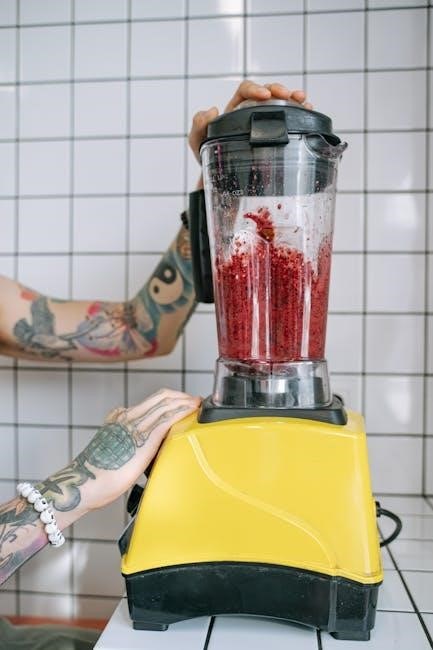
Proper setup involves cleaning, assembling components correctly, and familiarizing yourself with the control panel for optimal performance and safe operation․
Initial Cleaning and Preparation
Before your first use, thoroughly wash all removable parts – the processing pitcher, blender pitcher, blades, and lids – with warm, soapy water․ This removes any manufacturing residue and ensures a hygienic start․ Rinse everything completely and allow it to air dry․ Inspect all components for any damage before assembly․
Pay close attention to the blades, handling them with extreme care․ Ensure the sealing rings are properly seated within the lids to prevent leaks during operation․ A clean machine is a safe and efficient machine, so don’t skip this crucial step! Refer to your specific model’s manual for detailed cleaning instructions, as materials may vary․
Assembling the Food Processor
Begin by placing the processing pitcher base on a flat, stable surface․ Carefully insert the appropriate blade – chopping, dough, or disc stack – onto the drive connector within the pitcher․ Ensure it’s securely locked in place․ Next, attach the corresponding lid, aligning the arrows or markings as indicated in your model’s manual․
For the blender pitcher, follow a similar process: blade onto the drive connector, then secure the lid․ The pitcher must ‘click’ into the power base for safe operation․ Double-check all connections before powering on․ Improper assembly can lead to malfunctions or injury, so always consult the manual for visual guidance․
Understanding the Control Panel
The Ninja Food Processor’s control panel varies by model, but generally features pulse, low, medium, and high speed settings․ Pulse provides short bursts of power for controlled chopping․ Dedicated buttons often exist for specific functions like smoothie or dough․ Some models include pre-programmed settings for automated operation․
A digital display may show processing time or selected function․ Familiarize yourself with each button’s purpose before use․ Refer to your instruction manual for a detailed explanation of your specific model’s controls․ Understanding these settings ensures optimal performance and prevents accidental over-processing or damage to the machine․

Using Your Ninja Food Processor
Unlock culinary efficiency! The Ninja Food Processor excels at chopping, blending, and dough-making, simplifying meal prep and expanding your kitchen creativity effortlessly․
Chopping Vegetables
Achieving perfectly chopped vegetables is a breeze with your Ninja Food Processor․ Begin by washing and preparing your desired vegetables, cutting larger items into roughly 1-inch pieces for optimal results․ Select the appropriate chopping blade and securely attach it to the processing pitcher․ Add the vegetables, ensuring not to overload the pitcher – work in batches if necessary․
Pulse the processor several times to initially break down the vegetables, then use the ‘Chop’ function or a low speed for consistent results․ Monitor the chopping process closely, and avoid over-processing, which can lead to mushy vegetables․ For varied textures, experiment with pulse durations and speed settings․ Remember to always use the pusher tool to guide vegetables towards the blades safely․
Making Dips and Sauces
Your Ninja Food Processor excels at creating smooth and flavorful dips and sauces․ Begin by adding your ingredients to the processing pitcher – this could include vegetables, herbs, spices, and liquids․ For a creamy texture, consider adding dairy products or oils․ Securely attach the appropriate blade; often, the chopping blade works well for dips, while the dough blade can emulsify sauces․
Start with short pulses to combine ingredients, then process continuously until the desired consistency is reached․ Scrape down the sides of the pitcher as needed to ensure even blending․ Taste and adjust seasonings accordingly․ Remember to avoid over-processing, which can result in a watery or overly smooth texture․
Preparing Dough
The Ninja Food Processor simplifies dough preparation for cookies, pizza, and more․ Begin by combining dry and wet ingredients in the processing pitcher․ Crucially, switch to the dough blade – its specialized design efficiently kneads and combines the dough․ Pulse several times initially to prevent flour from clouding the kitchen, then process continuously․
Monitor the dough’s consistency closely․ The processor will automatically shut off to prevent overheating, but you may need to scrape down the sides periodically․ Avoid over-processing, as this can develop too much gluten, resulting in tough dough․ Once a ball forms, remove and continue kneading by hand if necessary for optimal texture․
Creating Smoothies and Frozen Drinks
Utilize the blender pitcher for crafting delicious smoothies and frozen drinks with your Ninja Food Processor․ Begin by adding liquids to the pitcher first, followed by softer ingredients like fruits and yogurt․ Then, add frozen ingredients, including ice, on top․ This layering technique aids in smoother blending․
Select an appropriate speed setting – start low and gradually increase for optimal results․ Pulse a few times to break down larger pieces before blending continuously․ For thicker smoothies, use the ‘smoothie’ preset if available, or blend until desired consistency is achieved․ Remember to avoid overfilling the pitcher to prevent spills․

Cleaning and Maintenance
Regular cleaning ensures longevity․ Disassemble parts after each use, wash with warm, soapy water, and store properly for optimal performance and hygiene․
Disassembling for Cleaning
Before cleaning your Ninja Food Processor, always ensure it’s unplugged from the power outlet․ Begin by removing the processing pitcher from the motor base․ Detach the lid and carefully remove the blades – exercise extreme caution as they are very sharp! The pitcher, lid, and blades can then be separated for individual washing․
If you’ve been using the blender pitcher, follow a similar process: remove it from the base, detach the lid, and carefully remove the blending blade assembly․ For models with a disc stack, disassemble it by gently lifting each component․ Refer to your specific model’s instruction manual for detailed disassembly diagrams, as configurations can vary slightly․ Proper disassembly facilitates thorough cleaning and prevents food buildup․
Dishwasher Safe Parts
Many Ninja Food Processor components are designed for convenient dishwasher cleaning․ Typically, the processing pitcher, blender pitcher (if applicable), lids, and non-motorized parts like the disc stack and certain blades are dishwasher safe․ However, always consult your specific model’s instruction manual to confirm which parts are suitable for the dishwasher, as variations exist․
For optimal results, place smaller parts in the utensil basket․ Avoid overcrowding to ensure thorough cleaning; While dishwasher safe, handwashing can prolong the life and appearance of these components․ The motor base itself should never be immersed in water or placed in the dishwasher; wipe it clean with a damp cloth only․
Proper Storage Techniques
To maximize the lifespan of your Ninja Food Processor and maintain kitchen organization, proper storage is crucial․ Ensure all parts are completely dry before storing to prevent mildew or odors․ Store the motor base in a cool, dry place, away from direct sunlight and heat sources․ Pitchers and lids can be nested together, saving space․
Blades should be stored safely, ideally in a designated container or wrapped securely to prevent accidental cuts․ Avoid placing heavy items on top of the food processor or its components․ Regularly check for any signs of damage or wear and tear during storage․ A clean and organized storage system ensures your Ninja is ready for its next use!

Troubleshooting Common Issues
Addressing motor failures, leaks, or blade malfunctions promptly ensures optimal performance and extends the life of your Ninja Food Processor, preventing further damage․
Motor Not Starting
If your Ninja Food Processor’s motor fails to start, first ensure the unit is properly plugged into a functioning electrical outlet․ Verify the lid is securely locked in place, as a safety mechanism prevents operation without correct assembly․ Check if the overload protection has been triggered – unplug the unit and allow it to cool for 15-20 minutes before attempting to restart․
Examine the control panel settings; confirm the pulse or speed setting is selected․ If the issue persists, inspect the base for any obstructions or damage․ A reset might be necessary by unplugging the processor for a few minutes․ If none of these steps resolve the problem, consult the Ninja Kitchen customer support for further assistance or potential repair options․
Leaking Issues
If you experience leaking from your Ninja Food Processor, immediately unplug the unit to prevent electrical hazards․ Carefully inspect the processing pitcher and blender pitcher for cracks or damage․ Ensure the sealing rings are correctly positioned and not worn or torn; replace them if necessary․ Verify the lid is securely fastened, aligning all locking tabs properly․
Overfilling the pitcher can also cause leakage, so adhere to the maximum fill lines indicated․ Check the blade assembly for proper installation and any signs of damage․ If leakage continues after these checks, avoid using the appliance and contact Ninja Kitchen customer support for guidance or potential repair options․
Blade Problems
If your Ninja Food Processor blades aren’t functioning correctly, first ensure the appliance is unplugged․ Inspect the blades for dullness, damage (chips or bends), or obstructions․ Dull blades may require replacement for optimal performance․ Confirm the correct blade assembly is being used for the intended task – dough blades differ from chopping blades․
Ensure the blade is securely attached to the motor base; If the blade seems loose, discontinue use․ Never attempt to sharpen the blades yourself, as this can compromise their integrity․ Contact Ninja Kitchen customer support for replacement blades or guidance on proper assembly and troubleshooting․ Always handle blades with extreme caution․

Safety Precautions
Always unplug the Ninja Food Processor before cleaning or handling blades․ Avoid overloading, and ensure proper electrical safety to prevent hazards and ensure longevity․
Safe Handling of Blades
The blades of your Ninja Food Processor are incredibly sharp and require utmost caution․ Always disconnect the appliance from the power source before attempting to handle, remove, or clean the blades․ Never hand-wash blades directly; utilize a brush with a handle to safely clean them while they remain on the processing pitcher․
When removing blades, grip them firmly at the central hub, avoiding contact with the cutting edges․ Store blades in a safe location, out of reach of children and pets, preferably using a blade guard or protective sheath․ Discard damaged or dull blades immediately and replace them with genuine Ninja replacement parts․ Remember, prioritizing blade safety is crucial for preventing accidental injuries during food preparation․
Avoiding Overloading
To ensure optimal performance and longevity of your Ninja Food Processor, avoid overloading the processing pitcher․ Refer to the capacity markings on the pitcher and do not exceed the maximum fill line for both liquids and solids․ Overloading can strain the motor, leading to reduced efficiency, potential damage, and even overheating․
When processing dense ingredients like nuts or frozen fruits, work in smaller batches for consistent results․ If the motor seems to struggle or the appliance begins to vibrate excessively, immediately stop processing and reduce the quantity of ingredients․ Following these guidelines will help maintain your Ninja Food Processor’s functionality and prevent unnecessary wear and tear․
Electrical Safety

Always prioritize electrical safety when operating your Ninja Food Processor․ Ensure the voltage of your outlet matches the appliance’s specified voltage, found on the base․ Never operate the processor with a damaged cord or plug; if damaged, contact Ninja customer support for assistance․
Avoid immersing the motor base in water or any other liquid․ To prevent electrical shock, unplug the appliance before cleaning or when not in use․ Do not use an extension cord unless absolutely necessary, and if so, choose one rated for the appliance’s wattage․ Keep the cord away from hot surfaces and sharp edges during operation․
Leave a Reply
You must be logged in to post a comment.